- 1,720,000 m² gross area
- 1,720,000 m² of land
Description
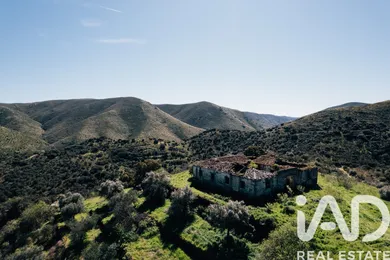
Quinta da Barca 🌄 1. Archaeological and cultural heritage of incalculable value! The beautiful Quinta da Barca is located in the parish of Chãs, municipality of Vila Nova de Foz de Côa, in the magical valley of the Côa River, in the Upper Douro region. It covers a vast area of 172 hectares. Quinta da Barca is internationally recognised as one of the most important and valuable centres of rock art in the Côa Valley. It is home to 61 rocks with rock engravings dating from the Upper Palaeolithic period, classified as World Heritage by UNESCO. Quinta da Barca is currently an essential stop on tours of the Côa Valley Archaeological Park. Quinta da Barca consists of three main buildings in ruins: a house, a wine press and a staff house, plus four other buildings, also in ruins: chicken coops, a dovecote, a wine cellar and a tank. Economic and cultural potential: - Historical, cultural and educational tourism, development of interpretive itineraries on rock art, highlighting the region's prehistory. Partnerships with museums and scientific institutions for research, exhibitions and archaeological events. Strong appeal to domestic and foreign tourists interested in history, art and archaeology. 🍇 2. Wine Tourism and Agriculture (Economic Potential) Enormous agricultural potential for the cultivation of olive trees for the production of excellent quality PDO olive oil, vineyards for the production of Superior Douro DOC wines and Port wine, almond trees, honey and other Mediterranean crops adapted to the region's climate. Development of wine tourism: wine tastings, visits to vineyards and wineries, regional wine events. Wine tourism in the Douro is in high demand internationally. - Offer of complementary products, olive oil, nuts, almonds (historically relevant to the local economy) and Mediterranean fruits. 🏡 3. Rural Tourism and Experiences in the Natural Environment The location combines elements of nature, landscape and tradition, which are ideal for rural tourism. Development of rural accommodation (farm guesthouse/tourism accommodation), with local experiences (hiking, cycling, wildlife/flora observation). Outdoor events and experiences, such as picnics in the vineyards, yoga in the countryside, workshops on sustainable agriculture or traditional cuisine. Creation of themed routes, including rock art, wine, gastronomy and nature. 🧠 4. Environmental Education and Awareness The archaeological and natural importance of the site can and should be exploited in partnership with schools, universities and cultural organisations: Educational programmes for schools and universities. Workshops on paleo art, experimental archaeology and scientific interpretation. Conservation and environmental education campaigns with the local community. 📌 Main Challenges to Consider Infrastructure and access: need for investment in access, signage, and tourist infrastructure. Heritage management and preservation, reconciling tourist visits with the protection of archaeological engravings. - International marketing and promotion to consolidate the ‘Quinta da Barca’ brand in the Douro and Côa Valley experience circuit. ✅ Quinta da Barca has enormous potential as a cultural and rural tourism destination, benefiting from its connection to the rock art sites of the Côa Valley and the wine-making tradition of the Douro demarcated region, a World Heritage Site! With investment and planning, it can develop agricultural, wine tourism, educational and cultural events, attracting diverse and sustainable tourism. The beauty of the night sky in the enchanted valley of the Côa River is a strategic asset for sustainable development. The positioning of the territory as a destination of excellence for astro-tourism, distinguished by the quality of its sky and the authenticity of the experience in nature. The potential of Quinta da Barca as a destination requires a strategy to enhance the territory, linked to a network of local partners who are part of this unique offering. More than just stargazing, the magical Côa River Valley offers unique experiences, reinforcing the identity of the territory and creating new economic and tourism opportunities.
Ref: 803432
Characteristics
- 1,720,000 m² built, 1,720,000 m² floor area
Price details
- Property price
- Property price
- €3,950,000
- €3,950,000
- Price per m²
- €2 / m²